The risks of prioritizing certification over hands-on experience in skilled trades and the need to restore integrity in artisan professions
The skilled trades are facing, in various but serious forms, a challenge that is silent and primarily present at job sites, in workshops, and within industries that require specialized knowledge. The increase in the number of people who possess trade certificates and no practical or empirical experience is redefining the meaning of qualifications. A once respected and revered emblem of mastery is, in some instances, a pathway to the trade without the ballast needed to sustain the trade.
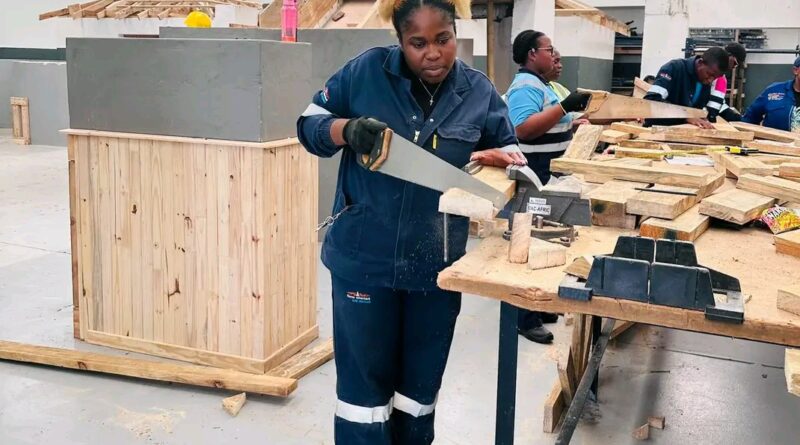
The skilled trades have always been distinguished from other occupations because of their hands on elements. The installation of electrical systems, the building of structures, the repair of machinery, the making of cabinets, the crafting of furniture, etc., all require more than a theoretical understanding. It requires the ability to demonstrate understanding in real and unpredictable situations as every task is different. The only people who are capable of performing a task are those who have learned through practice.
A certificate serves to affirm that one has received adequate training and has demonstrated that they are able to apply what they have learned. A certificate is awarded based on the combination of demonstrated effort and knowledge gained. When any part of that process is circumvented, the certificate becomes meaningless, and serves only as an empty indication of a capability that cannot be demonstrated in practice.
The performance gap that is seen as individuals start their first jobs is one of the biggest problems of this situation. They look good and qualified on a resume, but they cannot even execute the most basic tasks. They struggle to figure out how to get the procedures even the most basic ones done. Procedures get done faster and easier, but they get easily overwhelmed by real life problems and challenges. Actual problems do not get solved by seeing others do them, they require one to do and practice repeatedly. Then, one learns to identify and solve problems as they arise.
Working on a trade is a type of work that is very different to any other. It involves skills and processes that cannot be learned from a book, or be mimicked from someone else. Only practice and experience develops these skills. Getting practice and experience on a trade will train the worker to identify, and solve problems before they arise. Confidence is also a large component. There is a positive impact of improved performance and workmanship when. They are, however, in practice and experience of real work.
The problem is really bad when it comes to safety. A lot of jobs need people to use tools and equipment that can hurt someone if they are not used right. Someone who has never done the job before might not know how dangerous things can be and might not do things the way. This can cause accidents that put the people they work with and the people they are working for in danger. We try to keep everyone safe. It is scary to think about how little some people might know about what they are doing.
When someone is not good at their job it affects the workplace. Every person at work is expected to do their part. When one person does not do a good job it makes things hard for the other people. They have to fix the mistakes of the person who is not doing a job or finish the work that they did not do. This makes it take longer to get things done. It makes the other people at work really frustrated and they have to work a lot harder. Safety and doing a job are really important and when someone is not good at their job it can cause a lot of problems, for safety and for the people they work with. It creates tension amongst the team and can result in a workplace that is demoralizing.
There are also risks for employers. With trust being a key component in making hiring decisions, breaches in trust can become very expensive. Mistakes, wasted resources, and lost clients can cause delays and a decrease in rework. A company’s standing can be negatively affected by repeated instances of poor performance in good industries with decent reputations.
For clients, the risks can be even more severe. They hire a certified professional for a particular trade under the assumption that the work will be done to a specific standard and done well. The failure to do so can cause anything from an inconvenience to major issues. Repair work done poorly, weak structures, and bad installations are all examples that can incur additional costs. Furthermore, the financial risks are not the only important issues to consider. The risks are also time and safety, and reliability.
A change in mentality is at the core of the issue. The pace of the world has created a situation where success is very desirable. The pressure created can lead to taking the easier road—acquiring qualifications through dishonest means. This behavior is easier to engage in due to insufficient control and regulation in the training systems that are meant to prevent such things.
Perhaps another factor is what certification actually represents; what people think about it is mostly incorrect. Most people think of it as an endpoint to a process, but it is not an endpoint; it is, ultimately, a (very) SMALL piece of a larger process. A professional certificate should indicate the start of professional responsibility, not the end of a learning process. Genuine knowledge is developed, in large part, by a significant, and often prolonged, period of informal apprenticeship. Most of this informal apprenticeship occurs after the individual has completed their formal training.
Addressing this issue requires an effort from multiple sides. Training institutions must prioritize learning and make sure that students are thoroughly assessed before being certified. Programs should be designed to reflect working conditions giving learners the opportunity to develop both technical skills and problem-solving abilities.
For people who are entering the trades the reliable path remains the traditional one. Learning by doing. You start in entry-level roles assist professionals and gradually take on more responsibility. This may take time. It builds a strong and lasting foundation. The trades help people develop skills. They also teach discipline, patience and a deeper understanding of the trades.
Mentorship is important for making workers. Experienced workers have a lot of knowledge that they learned from working in the trades for a time including tips and lessons that they learned from their experiences. When they share this knowledge with workers it helps keep the standards and values of the trades strong.
Integrity is a part of the trades. When people choose to do things the way even when it is harder it shows that they care about quality and being professional in the trades. This builds trust with the people they work for the people they work with and the people they do work for. It makes the whole trades industry stronger and more reliable.
People in communities and leaders in the trades industry can help by talking about how important it’s to be skilled in the trades. When they recognize and reward people who do work in the trades it encourages others to work hard and be good at the trades. At the time telling people about the problems, with fake certifications can help stop bad practices in the trades.
Ultimately the value of a trade lies not in the certificate itself but in the ability to deliver high-quality work in the trades. A piece of paper may open doors. Only skill in the trades can keep them open. In professions like the trades where resultsre visible and measurable there is no substitute for competence in the trades.
Reaffirming the importance of experience does not mean dismissing the role of certification in the trades. Instead it means restoring balance. Ensuring that qualifications accurately reflect ability in the trades. When certificates are earned through dedication and supported by real-world experience in the trades they regain their meaning and value.
In the end skilled trades are built on trust: trust that a job will be done correctly safely and professionally in the trades. Preserving that trust requires honesty, effort and a shared commitment to excellence in the trades. By focusing on what matters. Skill, experience and integrity, in the trades. The industry of trades can move forward with confidence and ensure that the title of “artisan” remains something to be respected and earned in the trades.