The Influence of NSFAS’s In-Person Assessments of Approved Student Housing: Upholding Safety, Standards, Decency, and Human Dignity Regarding Student Housing
Student housing options have a huge effect on a student’s wellbeing, experience, and success while attending university. Safe, affordable, secure, and dignified housing are also determinants for many students, especially those from low income families, as to whether they are able to pursue higher education at university level. There is also the possibility of some students from low income families being able to access higher education through the NSFAS. One of the programs offered by NSFAS is the ongoing evaluation of approved student housing to ensure that they meet basic requirements.
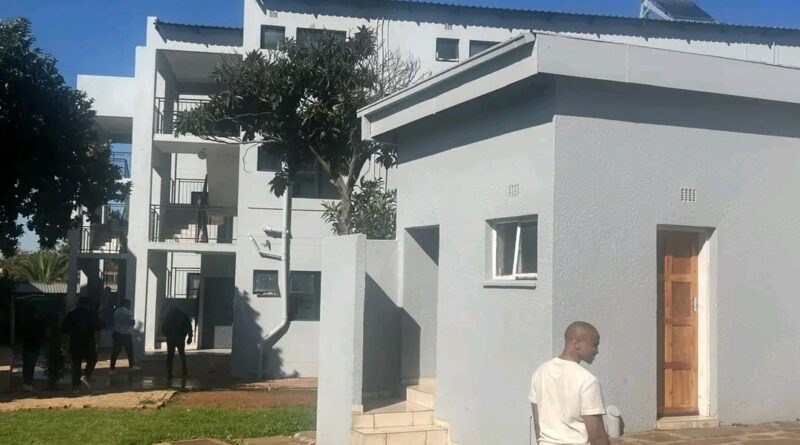
NSFAS staff complete unannounced, on-site assessments of student housing to check that housing providers meet the basic requirements of safety and student housing as well as the basic needs of the students residing there. When housing facilities do not meet the basic requirements, students are moved to housing facilities that do meet the basic requirements, and housing providers are given a directive to make the necessary improvements. This program demonstrates NSFAS’s commitment to the belief that dignity and safety of housing are a basic human right.
There are many benefits to having ongoing evaluations for students, housing providers, and the higher education sector. Even though this program is beneficial, it is also challenging, requiring stakeholder engagement to make sure that the challenges are met.
The Importance of Safe Student Accommodation
Student accommodation is not just a roof over one’s head. Depending on its quality, student accommodation contributes positively or negatively, to students’ grades, state of mind, physical well-being, security, and social development. In quality accommodation, students have access to sanitary and safe living conditions that do not compromise their mental well-being.
Students living in poor quality, unsafe accommodation do not have the luxury of focusing on their studies. Poor quality accommodation that is unsafe, inconsistent, and lacking of basic utilities, negatively impacts the student’s ability to learn resulting in poor academic performance. Accommodation needs to have a minimum level of quality to ensure that students’ educational potential is realized.
The NSFAS inspections are proof that the accommodation support for students is utilized in a responsible and effective manner, protecting the students.
Benefits of NSFAS On-Site Inspections
1. Improved Student Safety
The enhanced safety of students is the biggest advantage of NSFAS inspections. Safety features are evaluated during the inspections, including fire extinguishers, emergency exits, security systems, safety lighting, fencing, and access control systems.
By eliminating safety issues and taking action, NSFAS reduces the safety threats of fires, crime, accidents, and other emergencies. Safe environments are a priority for students’ safety, providing peace of mind for students and their families.
2. Better Living Conditions
Accommodators will be required to maintain healthy and sanitary living conditions throughout any given inspection they undergo. The properties are to be given an inspection of the bathrooms, kitchens, bedrooms, and any common/shared area, in addition to reviewing the plumbing and waste/garbage services of the property.
With regular monitoring, providers have to keep up standards year-round, as opposed to only when the accreditors are there. For this reason, students generally have a cleaner and more sanitary living environment which improves their personal and academic well-being.
3. Protection of Student Rights
The notion that safe accommodation is a right, and not a privilege, means students cannot be exploited or neglected. Students are empowered by having their accommodation rights guaranteed and upheld through the inspections.
Most NSFAS students come from poorer communities and have little choice of relocating if the accommodation is subpar. Through these inspections, NSFAS protects students from profit-driven accommodation providers.
4. Increased Accountability Among Accommodation Providers
With NSFAS inspections, providers are made to understand that compliance is a continuous requirement, and not something to be done once to gain accreditation. Being unlicensed or having to relocate students is a major incentive for accommodation providers to keep standards to the required level.
This has improved the quality of accommodation for students and has made housing in the student accommodation business more professional and sustainable.
5. Efficient Utilization of Public Funds
Accommodation funding from NSFAS is made possible through tax dollars allocated by state and federal governments to assist students with their schooling. Inspection ensures that taxpayer dollars directed toward providing accommodations for students are spent responsibly and appropriately.
If there weren’t inspections to verify that accommodation meets minimum standards for students, government money could be wasted on inappropriate accommodations. NSFAS does this through confirming compliance with regulations and providing accountability in terms of how well these dollars have been spent by ensuring that taxpayer money dedicated to higher education provides students with value for their education.
6. Improved Academic Outcomes
Research indicates the environment of a student will affect academic achievement. Students who live in safe communities and are encouraged to be active participants in classroom activities are more likely to regularly attend class, complete their assignments on time and achieve at a higher level than students who are able to study in a poor living environment.
NSFAS provides access to quality accommodation, which has a positive effect on students’ graduation rates, retention rates, and ultimately the overall success of student performance in college.
7. Improved Mental Health and Student Well Being
Poorly maintained or otherwise unsafe or unhealthy accommodation can result in students experiencing anxiety, depression, and a lower quality of life than those who do live in a healthy and safe environment. Further, students who have concerns about security, sanitation, and overcrowding may not concentrate on their studies, which adversely affects the mental health of the students involved.
Students who have received an inspection of their accommodation and received the proper stamp of approval generally feel more secure, and the peace of mind they receive from having their accommodation inspected and approved will enhance their psychological well-being thereby creating an environment conducive to learning and personal development.
8. Equity Through Higher Education Promotion
Access to quality accommodation for historically disadvantaged beneficiaries of NSFAS directly assists with reducing inequalities that would otherwise hinder educational outcomes.
Students should not have to bear the burden of their economic situation and by ensuring that the same standards for accommodation are maintained in all accredited residences, NSFAS provides equity and inclusivity within the higher education system.
9. Encouraging Continuous Improvement
Regular inspection of accommodation providers has a direct influence on how much accommodation providers are willing to put into maintenance, renovations, and/or upgrades. Providers will feel encouraged and motivated to continuously improve accommodation through infrastructure improvement, facility modernization, and enhanced student services, resulting in current benefits to students and long-term benefits to the development of the South African student housing sector.
10. Strengthening Public Confidence
Knowing that there is regular monitoring through on-site inspections and quality assurance of accommodation creates confidence in parents, guardians, educational institutions, and communities as to the quality of accommodation for the benefit of students.
The evidential effects of inspection and the commitment by NSFAS to the well-being of students have strengthened public confidence in NSFAS, as all stakeholders witnessed NSFAS taking corrective action for result when standards are not met.
There are many benefits to on-site inspections however there are challenges associated with the inspections that should be carefully considered.
The following is a list of the challenges faced by accommodation providers when ensuring that they meet legislative accommodation standards.
Limited Inspection Resources
There are a limited number of resource available to carry out the required inspections of all accommodation facilities. There is also a limited number of resources available from NFSAS to complete all required locations, perform the required detailed assessments of accommodation facilities and produce the compliance reports.
As the number of accommodation facilities available for students continues to grow, as do the numbers of students needing accommodation, the workload placed on the limited resources available for inspections will continue to increase.
Resistance from Accommodation Providers
Some accommodation providers may see inspections as an intrusion or burden. Particularly where requirements for the provider to meet accommodation standards (e.g. upgrades or repairs) have significant costs associated with them. Resistance from the provider can impede the speed at which corrective actions are implemented and/or create significant tension between regulators and accommodation providers.
There will typically need to be ongoing communication between accommodation providers and regulators in order for providers to be cooperative with the inspection process.
Cost of Compliance
Complying with accommodation standards can be expensive for providers. For example; there may be costs associated with upgrading security systems, making structural repairs, fire safety equipment, sanitation facilities or accessibility improvements.
Even though these are necessary expenses for ensuring the welfare of students, smaller accommodation providers may have difficulty in providing the necessary funds for making the required upgrades within the timeline specified.
Student Relocation Disruption
In instances where a student accommodation has failed the inspection process, it may be necessary to reallocate students to alternate accommodation facilities. The relocation of students has provided welfare protection necessary for all students; however, at the same time it will create a temporary disruption to all students’ daily living activities.
Students can be affected by using a different manner of daily transportation, having new (or no) classmates to associate with, being unable to follow their normal daily routine, doing classroom assignments at night from home and so on. In addition to the challenges posed by relocating in the middle of the academic school year, stress can be placed on a student during this time, further potentially impacting a student’s ability to perform academically if not adequately managed.
Capacity Issues
Due to capacity issues some geographical areas might not have a sufficient number of compliant properties available. When properties which do not comply have been identified, it may take time to find a suitable alternative for the affected student/s.
Due to an insufficient number of accredited properties to relocate students to, relocating students can be delayed, or the pressure put on existing properties could increase.
Monitoring Corrective Actions
Identifying property non-compliance is merely the first step in ensuring that the provider takes corrective action. Ensuring that providers take corrective actions requires continuous monitoring and also follow-up inspections.
Without an effective follow-up mechanism, a provider may not satisfactorily address problems and may be placing students’ welfare at risk.
Administrative Complexity of the Inspection Process
The inspection process has many administrative requirements, including documentation, reporting, accreditation reviews, communication with providers, and communication with educational institutions. The administration required to fulfil these requirements can be both complicated and labor intensive.
Therefore, it is essential to develop systems that will be efficient enough to provide for sufficient oversight of compliance with established standards.
Balancing Enforcement with Support
NSFAS must look for the optimum balance between enforcing regulations and providing support to help the provider achieve compliance with the established standards. The greater the punitive enforcement approach, the less likely the provider is to take part in the program; however, if there is inadequate enforcement of regulations, it will be difficult to hold the provider accountable.
A combined regulatory and supportive approach is usually the most successful means of achieving compliance with established standards.
Next Steps
To make the most of the method of accommodation inspections, collaboration among the NSFAS, higher education institutions, accommodation providers, and students will continue to be key. Technology can support the improvement of inspection efficiency through improved digital reporting systems, real-time monitoring tools, and data informed decision-making.
Strengthening student feedback mechanisms is also important because students can be the first to report on problem areas and they have insight into their housing conditions. Regular reports and communication from students can improve oversight and responsiveness.
In addition, developers should be supported in developing capacity-building initiatives and programs that will assist accommodation providers with understanding their responsibilities, as well as providing technical support, training, and information to implement any necessary improvements to meet their responsibilities.
Additionally, we need to increase investment in student housing infrastructure to alleviate the shortages of accommodation and to ensure that there is enough quality accommodation available to accommodate all students who require assistance.
Summary
The ongoing inspections of the accreditation process handled by NSFAS provide an additional level of assurance for students, while also helping to ensure that NSFAS will make safe housing a student right rather than just a privilege via their commitment to student success and dignity. By verifying that student housing is housing, with verified minimum housing standards, NSFAS is helping to ensure that all students attending any institution of higher education can achieve their aspirations both as students and citizens in the world outside of their studies.
There are a number of benefits that will come from the inspections performed by NSFAS, including improved student safety, well-being, accountability and stewardship of the public’s money. However, there are also challenges to the inspections process that stem primarily from limited resources, high costs of compliance, disruption to relocation and ongoing shortfalls of housing for students. These challenges can be overcome only through collaborative and innovative solutions.
At the end of the day, entering quality housing is an essential component of a student’s success. With ongoing inspections and enforcement of minimum standards, the NSFAS inspection team will provide students with the resources to achieve academic, social and personal success. As the access of South Africans to higher education continues to grow and the demand for student housing continues to rise, it will also be increasingly important for the NSFAS to work to ensure that safe and dignified housing will be a top priority, guaranteeing the safety and success of South Africa’s future leaders and professionals.
