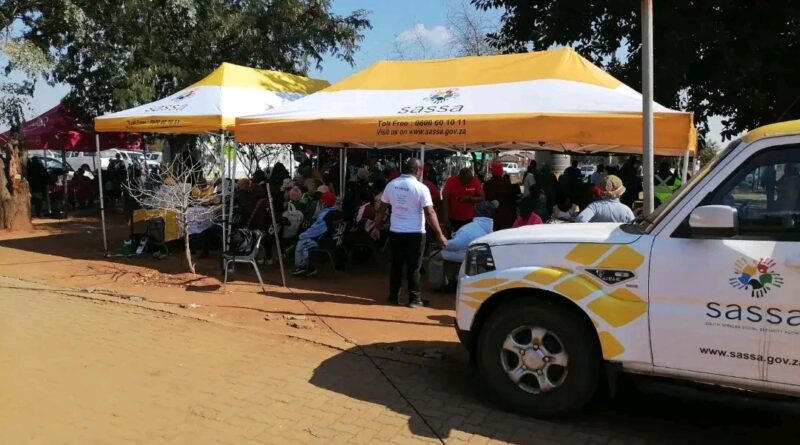
SASSA Pushes Forward to Improve Service Delivery and Shorten Queue Times
The South African Social Security Agency (SASSA) is committed to delivering high standards of service to its customers. To this end, SASSA has developed a new, first-of-its kind, Fully National Queue Management Training program. This program will be the first of its kind to be developed and implemented in the SASSA offices. This program will assist SASSA in the modernization and standardization of its operations, and help its employees practice service delivery that is more dignified, efficient, and customer-centric.
SASSA is one of the most high demand public services in South Africa. It offers social grants to very large numbers of citizens. Because of limited resources, SASSA is challenged by the daily high number of social grant applicants and recipients who visit its offices. Many applicants complain about long, inadequate waiting times, and the SASSA staff must also deal with the negative effects of overcrowded offices and long waits to receive assistance. To address these problems, SASSA has developed a program to strengthen the queue management system, that will be implemented in all SASSA offices.
This new program fits with goals set forth in SASSA’s Strategic Plan for 2025–2030. The goals focus on improvement and efficiency of operations, greater use of technology, increased accountability, and enhancement of customer satisfaction. The agency strives for operational and customer satisfaction excellence through the implementation of cutting-edge and modern management techniques. The agency hopes to achieve these goals by placing beneficiaries at the center of its operations.
As part of its reformation process, SASSA is providing specialized training to approximately 1,000 local office Management Teams in all Provinces. Training provides Managers,supersvisors &ressentials with the knowledge on how Queue Management Systems work, helping to enlighten them on how they should be handling operational issues which are preventing service delivery.
Some of the issues this system aims to resolve are long waiting times, crowding in the office, inconsistent queuing practices, unnecessary repeat visits by beneficiaries, and the lack of use of available digital tools. SASSA hopes to resolve these issues to create an efficient and organized service space to the advantage of the employees and the clients.
Wait management is linked to the quality of service at a local office, according to SASSA National Spokesperson Dr Paseka Letsatsi. He said the flow of clients has an impact on the satisfaction of clients, the productivity of staff, the efficiency of operations, and the perception of the overall service of the agency.
Dr Letsatsi said the Queue Management System is not a system to control people queuing only. It is a system that incorporates the overall experience of the beneficiary from the time he/she enters a SASSA office to the time he/she receives the service.
He said that SASSA aims to give beneficiaries a fair and respectful service. SASSA understands that the clients that rely on social grants deserve a service experience that is dignified and professional.
The enhanced Queue Management System is an improvement that is going to positively impact a number of service delivery areas. One major improvement is that SASSA is streamlining the processes to reduce customer wait times by directing clients to service delivery points faster.
SASSA is working to improve client arrival and service delivery point allocation in order to reduce the number of clients that crowd the local branches, while also ensuring a safe environment for staff and clients. This is especially necessary given that some of SASSA’s local branches serve thousands of clients every single day.
SASSA also aims to improve the number of clients that leave the service delivery point at the local branches. Many beneficiaries are required to continually visit the local branches to clarify and complete the documentation. Beneficiaries also seem to misunderstand the requirements for social grant applications. SASSA is focused on ensuring that clients leave the social grant service delivery point with the support and information to meet the requirements and improve the documentation.
The newly upgraded system will feature the use of an immediate issuance of queue tickets at the time the client arrives to the local office. The purpose of this process is to provide more structure and transparency in the service delivery process for the benefit of our beneficiaries. Beneficiaries will now have a better idea of where they are in the queue and the amount of time they can expect to wait – thereby providing them with greater certainty and less frustration.
In addition to improvements to appointment scheduling, the new system will also improve appointment management practices. The use of improved appointment scheduling will allow SASSA to better utilise their scheduled appointments and evenly distribute client volumes throughout the day, thus helping to reduce congestion at peak hours. This will enable SASSA employees to operate more smoothly and efficiently manage workload.
In addition to improved scheduling and appointment management, SASSA will also improve their use of waiting areas in their offices. By improving the organisation of waiting areas, SASSA hopes to create a more comfortable environment for clients while waiting for service. The agency acknowledges that the physical environment is an important factor in shaping customer experience; therefore, SASSA will take steps to ensure that all waiting areas are pleasant, easy to access and promote efficient service delivery.
Digital transformation is also an important element of this project. SASSA will implement various digital self-service channels that allow beneficiaries to access their information, conduct certain transactions, and obtain assistance through technology-based platforms. The purpose of these digital solutions is to alleviate some of the burden on service counters and allow alternative methods for clients to access services.
With the intent of improving client convenience while also enhancing operational effectiveness by using technology, SASSA aims to use digital channels to improve client satisfaction. Digital services typically allow clients to receive more timely access to information and assistance, which in turn allows clients to resolve their issues without having to wait for extended periods of time in queues.
A key component of the training programme is to empower staff to take full advantage of the benefits of these new technologies. Staff members are being trained on how to effectively utilise the digital platforms, management systems, and monitoring systems that are available in order to deliver better service to their clients.
Frontline staff, including queue walkers, will now have an active role in assisting clients. Instead of simply directing clients to their destination, these employees will engage clients as they approach the counters to ascertain their immediate needs and requirements, check if they have all the necessary documentation, provide appropriate information, and help them to identify the best way to access service.
The early intervention model aims to resolve many issues before clients arrive at service counters, thus reducing processing time and improving overall efficiency. Beneficiaries with incomplete documentation will be able to know about their outstanding documentation requirements as soon as they arrive at the point of service. Clients who require general information will be able to receive assistance without needing to join the queue.
The Queue Management System includes the ability to monitor service delivery through real-time performance monitoring using specialised dashboards and reporting tools. In doing so, managers and supervisors will be able to track the performance of the queue, identify service delivery trends, and monitor operational bottlenecks as they happen.
Availability of real-time data will allow management to make informed decisions about allocation of resources and how best to improve service levels. When certain service points are congested or there are delays in service delivery, managers will be able to take corrective action immediately to address the situation and ensure that service levels continue to be maintained.
The availability of performance data will also result in more accountability within local offices. By monitoring key performance indicators such as waiting time, turnaround time and queue volumes, SASSA will be able to assess the effectiveness of its operational activities and to determine where further attention is needed.
The renewed approach to managing queues demonstrates SASSA’s continued focus on putting its beneficiaries at the heart of the service delivered to them. The organisation is committed to discontinuing any service-related practices which could lead to customer rejection (e.g. no documentation, or misunderstanding of procedures).
The methodology of customer service encourages SASSA employees to collaborate with their customers in resolving any issues, and in obtaining the necessary documentation to complete their application and/or transaction. This approach aims to foster a customer friendly and supportive service environment, in which the customer feels valued and respected.
SASSA’s new queue management system also solidifies its ongoing commitment to equitable and inclusive service delivery. The Queue Management System includes specific changes to ensure that vulnerable groups (such as the elderly, persons with disabilities, pregnant women and other vulnerable customers), receive appropriate assistance, and have prioritised access to services.
Many of SASSA’s customers fall into these categories and may face unique barriers when attempting to access public services. The revised Queue Management System contains several methods in which to prioritise these groups and provide timely access to assistance without further delays or hardships caused by the system alone.
Through the establishment of clear and open access procedures for prioritisation, SASSA affirms its commitment to providing equitable levels of service to all customers while also ensuring that the special needs of these customers are met. This is in line with the broader objectives of the agency, which include promoting the social inclusion of all beneficiaries and maintaining the dignity of all beneficiaries.
The rollout of a national Queue Management System signifies a major milestone in SASSA’s ongoing modernization efforts. SASSA wants to enhance its service by implementing new technologies, improving how it is managed, training employees, and delivering services in a customer-focused way. As part of this initiative, SASSA continues to commit resources to maintain and improve the quality of services for those South Africans who rely on social assistance through SASSA. Improvements will include reducing waiting times for clients while also increasing efficiencies, improving transparency, and using digital transformation as SASSA builds a client experience that meets the evolving needs and expectations of SASSA’s clients.
As the rollout continues through the rest of the country, beneficiaries will begin to see major improvements in how they receive services at local offices. Collectively, enhanced customer experience will be due to a combination of better managed queues, improved staff capabilities, enhanced digital solutions, and real-time performance monitoring.
SASSA’s initiatives ultimately support its vision of becoming a modern, efficient, transparent and client-centred organisation, delivering excellent quality services with dignity, fairness and professionalism. For example, with the introduction of the Queue Management System, SASSA demonstrates its commitment to ensuring that all South Africans relying on social assistance get the necessary support in a timely, respectful and responsive manner.
