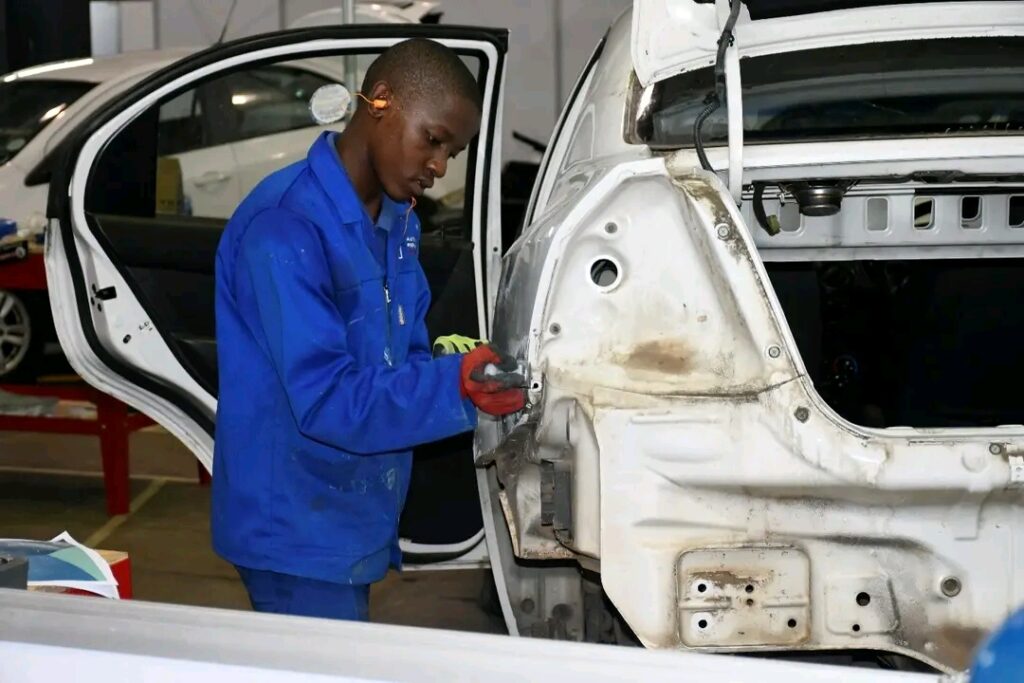
National Skills Fund and Artisan Training: Career Opportunities in South Africa’s Transport Sector
A well-trained workforce is critical for the transport sector to maintain vehicles, fix equipment, construct infrastructure and ensure logistics function effectively in South Africa. Whether they are auto mechanics, electricians, construction artisans, anyone who is essential to helping people and products get around the country is an important part of the equation.
The National Skills Fund (NSF) plays a role in skills development through the facilitation of skills development programs to address skills shortages and enhance occupational training opportunities. Artisans’ development can be promoted through investment to prepare more persons for technical careers related to transport, infrastructure and logistics.
These programmes, in collaboration with training providers and relevant training and skills development organisations, are focused on building skills in the real world and supporting training participants to enter opportunities in the labour market.
Why Artisan Skills Matter in the Transport Sector
Artisans carry out technical work of a specialized sort that helps to keep transport systems running safely and reliably. They require expertise with vehicles, electricity, building, machinery repair and other technical fields.
For instance, auto mechanics can diagnose and fix issues with cars, and electricians install and fix electrical lines or systems. Construction artisans work on the construction, upkeep and improvement of roads, buildings and other infrastructure which is utilized by the transport industry.
Businesses and public institutions may struggle to sustain equipment, to complete infrastructure projects and cover their operational requirements when there is a lack of well-trained personnel.
Therefore, the provision of artisan training is one way to contribute to the development of the technical skills needed by the transport and related industries of South Africa.
The National Skills Fund (NSF) can enable the development of artisans in a variety of ways.
The National Skills Fund is a public fund within the Department of Higher Education and Training. It funds eligible skills development projects that are related to national priorities.
Artisan development programmes can consist of theoretical training, on-the-job learning, apprenticeship, practical training and preparation for trade test, depending on the programme and approved funding.
The various stages enable the students to acquire the knowledge and practical skills demanded for technical jobs.
The courses in which students can enrol, the institutions and the number of places and the funding options are subject to each project. Not all NSF-supported projects provide the same types of training or a public application process.
Those who are interested in artisan training should consult official announcements to verify the opportunities for training.
Examples of Artisan careers related to transport include:
Depending on the training qualifications and experience of the learners and requirements of the training programme, artisan training can equip learners for a variety of technical jobs.
1. Automotive mechanic
Mechanics inspect, service and repair automobiles. They can diagnose mechanical issues, or maintain engines and inspect vehicles to ensure that they are on the road in good working condition.
2. Electrician
An electrician installs, maintains and repairs electrical systems. They could be involved in workshops, industrial operations, transport related activities and infrastructure projects, depending on their training and field of specialization.
3. Diesel mechanic
Diesel Mechanics repair and maintain engines and equipment that use diesel fuel, such as in trucks, buses and other heavy vehicles. Their work contributes to the reliability of vehicles and the transport of goods.
4. Construction artisan
Construction artisans (e.g. qualified plumbers, carpenters and other trainees) are involved in the building and upkeep of facilities and infrastructure which enable transport operations.
5. Welding/Metal Fabrication Artisan
Metal workers who are qualified to weld and fabricate metal parts for equipment, structures and repairs. They can apply their skills in workshops, manufacturing industries and infrastructure projects.
The following are examples of technical careers which may be relevant to the transport sector. There are variations in entry requirements and job duties among trades.
The colleges and Skills Development Partners also play a critical role in TVET. Colleges and Skills Development Partners also have a pivotal role in TVET.
Technical and Vocational Education and Training (TVET) colleges play a vital role in South Africa’s vocational and occupational education provision. Learners will have access to technical theory and practical instruction and training relevant to specific occupations, depending on the institution and programme.
Skills Development Providers also offer training programmes approved by the South African Qualifications Authority (SAQA), and Sector Education and Training Authorities (SETAs) offer skills development in their sector and areas of responsibility.
The National Artisan Development Support Centre (NADSC) is linked to the support of artisan development and the artisan training system.
Inter-institutional cooperation can enable training to be linked to industry needs. But the roles and duties of each organization may vary and participation in a specific NSF-funded project needs to be documented and verified.
Artisan training can be a great help to young South Africans. Artisan training can be of great help to young South Africans.
For school leavers and other learners who wish to acquire the practical skills of an occupation, technical training offers an alternative pathway.
The experience and learning gained from the programme can vary, but may include technical knowledge, plus experience and preparation for recognised occupational assessments.
Potential benefits include:
- Developing skills that can be used in the workplace, in a technical context.
- To know how to operate tools, equipment and work procedures applicable to a trade.
- Getting exposure to what happens in the work place.
- Planning for apprenticeships, further training or work.
- Establishing a career path in technical field.
Participating in a training programme is no guarantee of a job. Qualifications, trade-test results (where they are necessary), experience, and employer needs and vacancies are all determining factors for job opportunity.
Learners should therefore undertake further research on each programme and check what qualification and/or occupational outcome it will lead to.
Where to discover training as an artisan
The first step towards becoming an artisan is deciding what type of craft to pursue, and then researching the prerequisites for that career.
These are some steps that can be taken:
- Research available trades. Look at job opportunities like car mechanic, electrician and welding and other technical jobs.
- Check training requirements. Determine school requirements, qualifications or experience.
- Contact TVET colleges. Inquire about relevant courses, training, and apprenticeships or dates of application.
- Look for official programme announcements. Search for opportunities on Department of Higher Education and Training and relevant SETAs and approved training providers.
- Check the training result. Determine if the program results in a credential, work experience, preparation for a trade exam, or other result.
- Prepare your documents. Ensure that you have identification papers, academic records and CV on hand if required.
It is important that applicants follow their official application process and avoid receiving any offer of a guaranteed training place or job from anyone who asks for a payment.
For information about the National Skills Fund, visit the Department of Higher Education and Training website. Prospective learners can also consult the relevant TVET college or SETA for details about specific programmes.
Conclusion
Artisan development plays a role in technical skills to support South Africa’s transport, infrastructure and logistics sector.
The National Skills Fund can help provide opportunities to learn and prepare for technical jobs, with funding of eligible skills development projects and collaboration with training institutions.
Once young South Africans have decided to pursue a career in the trades, the next step is to find out what training is available in their field of interest, what entry requirements there are and which official notices are made regarding training opportunities.
Investing in related skills of artisans can benefit the individual as well as businesses and institutions in gaining the technical skills necessary to sustain and enhance transport operations.