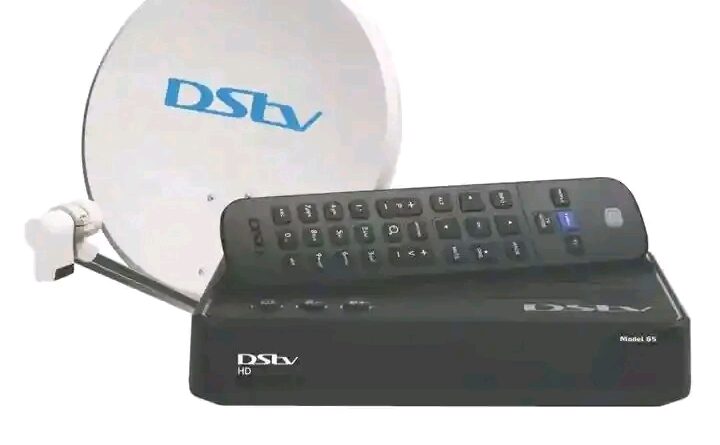
Becoming a DStv Accredited Installer in South Africa
There are many opportunities available to skilled technicians in South Africa’s satellite television industry. Becoming a DStv accredited installer is an opportunity for skilled technicians who want to work as installers of DStv systems, technicians who install DStv systems, maintain those systems, and troubleshoot those systems according to the guidelines and systems defined by MultiChoice. More importantly, customer confidence in the installer being a qualified installer and able to install a DStv system correctly, safely, and with skill and expertise is created.
This career option is a good choice for those looking to improve the credibility and earning potential of their business. This guide lays out the benefits, steps, and requirements to become a DStv accredited installer.
What is DStv Accreditation?
DStv accreditation is an official endorsement for installers who complete a course and demonstrate competency in satellite television installation and support and maintenance. Accredited installers are trained to use the utmost care and skill to satisfy industry commands and client/customers.
Through the accreditation process, installers learn of the requirements placed by satellite technology and the steps to troubleshoot systems, as well as the standards for service and support. Accreditation assists the DStv installation network by improving consistency and quality in the work provided.
Customers appreciate accredited installers as they can be confident the work will be done in a professional manner that adheres to the standards set by the manufacturer. Accreditation also provides a myriad of new business opportunities for skilled technicians.
Why Become a DStv Accredited Installer?
Advantages of Becoming a DStv Accredited Installer
Getting accredited has many benefits.
Credibility
Accreditation proves that you have received training and that you follow industry standards. Customers want to hire trained and accredited installers.
Business Opportunities
Some customers only hire accredited installers. Therefore, being accredited can help you get more customers and keep you busy.
Respect
Being an accredited installer helps you stand out from other installers and shows you are a professional.
Training
Part of the accreditation process is going through training. The training helps you learn how to install and troubleshoot satellite television systems. This training improves your skills.
Higher Pay
Accredited installers get higher pay. This is because customers are willing to pay for reliable and professional service.
Prerequisites
There are a few things to consider before you apply to become accredited.
Satelite Communications
When installing satellites, you are working with many different electronic and telecom components. Having a basic understanding of telecoms and a satellite setup is useful.
Physical Skills
You need to be good with tools and measuring equipment. You need to be physically fit because you will be climbing, lifting, and working outside.
Challenges:
Installers have to face different challenges when looking for a satellite signal or routing a cable.
Communication
Installers are directly in contact with the customer. You will need to communicate in a professional manner. Being polite and explaining things in simple terms is a must. You also need to be good at troubleshooting when on the job.
Acceptable Documentation
Depending on the specifications of the applicant, documentation will include identification to demonstrate name and date of birth (birth certificate), identification (i.e., driver’s licence) and proof of residency documents (e.g., current utility bill, bank statement).
Obtain Relevant Technical Experience
Although it is possible to begin installing without a great deal of experience, obtaining practical experience prior to applying for an installation job is highly advantageous.
Many approved installation contractors have previously gained installation experience by working for the following:
Telecommunication companies
Security System installers
Electrical Contractors
Network Cabling Companies
Former/Credentialed Satellite Installation Contractors
Practical experience creates confidence in one’s knowledge of installation practices before applying for accreditation through DStv.
Complete DStv Approved Training
Once approved to be eligible for either accreditation or access to DStv training, the installer must complete an approved DStv Installation training programme. DStv installation training is typically delivered via Approved Training Providers and includes both theoretical and practical aspects of the installation of satellite systems.
Training will predominantly include (but not be limited to):
Fundamentals of Satellite Communications
Mounting of Satellite Dishes and Satellite Dish Installation
Signals Alignment
Decoder Installation
Cable Management (to include balancing multiple outputs from a single line)
Signal Distribution Systems
Multi-Room (i.e. a satellite receiver connected to multiple televisions) Configurations
Troubleshooting
Health and Safety Guidelines related to the installation of satellite systems
Customer Service Standards
The vast majority of student installers will have an opportunity to learn both theoretically and practically (i.e. providing installation services to customers) in the various phases of their training.
Understand Satellite Technology
A key component of any accredited installer training is the applicants’ knowledge of how satellite television systems function.
Understanding the process used to send signals to satellites and receive signals back to television receivers (the way in which television signals travel from broadcast centres to satellites and then to the end users).
Signal strength and quality is an important aspect of understanding and measuring signal to rely on for receiving and avoid service loss.
Frequency bands.
An installer person should have knowledge of the different frequencies of satellite communication and how the equipment that is used receive these frequencies functions.
Line of sight.
Satellite dishes require an unobstructed line of sight to be able to see the satellite in the sky. An installer must be able to find a way to address all possible issues with the line of sight.
Master dish installation.
Installation of the dish is one of the most critical skills for becoming accredited as a satellite dish installer.
Training includes:
Assessment of the site.
Installers must assess the sites they are using to install the satellite dish and find a suitable location for the best reception.
Mounting procedures.
It is critical to mount the satellite dish securely to prevent it from moving due to wind, weather, or structural issues.
Alignment.
When mounting the satellite dish, if it is not located in a very specific location, there will be poor signal quality.
Safety issues.
Installers must adhere to all safety guidelines for working from height and using power tools.
Decoder configuration.
Modern DStv systems based on the technology now available require the installer to do much more than simply connecting cables to make the system work properly.
Installers should understand:
Configuration of the decoder
Updates for the decoder
Testing the signal
User configuration settings
Connecting to the network
Diagnosing problems
Programming the remote control.
If the decoder is not set up properly, the customer will not be able to receive any or all of the channels or services to which he/she is subscribed.
Learn Signal Distribution Systems
Many commercial establishments and households will require numerous points of viewing.
Installers that have received accreditation learn how to design and install systems that distribute satellite signals to multiple televisions and/or decoders.
Subject matter for this type of training may consist of:
Cable Loss Calculations
Design of Distributing Networks
Extra View Configurations
Commercial Installations
Multiswitch Systems
Signal Splitting
Learning these advanced skills will allow an installer to provide an even greater range of services.
Develop Troubleshooting Skills
Troubleshooting is a very important part of being a professional installer.
Some common examples of why an installer may need to troubleshoot include:
Weak Signal Strength
Intermittent Reception
Decoder Errors
Damaged Cables
Faulty Connectors
Misaligned Dishes
Faulty Equipment
Training will teach an installer a systematic approach to identifying and resolving an issue quickly and effectively.
Complete Practical Assessments
Most accreditation programs will include practical assessments to ensure competency.
An installer candidate will be able to perform the following to complete the practical assessment process:
Accurate Alignment of a Satellite Dish
Assemble a Satellite Dish
Correct Mounting of Equipment
Configuration of a Decoder
Testing of Signal Quality
Assessment of Installation Fault
If all of the above are completed successfully the candidate is ready to be a professional installer.
Pass the Accreditation Test
After completing the training requirements a candidate may be required to pass a written as well as a practical examination.
The written and practical examinations are used to evaluate:
Technical Knowledge
Installation Procedures
Safety Practices
Troubleshooting Ability
Understanding Customer Service
Typically the candidate must also pass all necessary tests relative to the accreditation field before being fully accredited.
Registering Your Company
There are many accredited installers who run their own businesses. The benefits of starting a registered business include the following:
1. Professional Image – Customers are more likely to work with legitimate businesses than if they are working with an informal service provider.
2. Legal Compliance – Registration helps ensure that you are complying with tax and other government regulations.
3. Business Growth – Registered businesses have the ability to obtain larger contracts and form relationships with other organisations.
4. Financial Management – Registered businesses have the benefit of having a more formal organisational structure for financial record-keeping and financial planning.
5. Investing in the Right Tools – Accredited installers require specialised tools and equipment in order to perform their installations in an effective manner. Equipment and tools that are vital to an accredited installer may include the following:
• Satellite signal meters
• Ladders
• Drills
• Cable strippers
• Compression tools
• Adjustable spanners
• Harnesses
• Connectors
• Testing equipment
Using quality tools and equipment will improve the efficiency of a business and lead to the delivery of professional results.
6. Obtain Insurance – Obtaining business insurance protects you against many of the potential risks associated with being in business.
Common types of insurance coverage that an accredited installer should obtain include:
• Public liability insurance
• Equipment insurance
• Motor vehicle insurance
• Professional indemnity insurance
Having insurance demonstrates professionalism and protects both the installer and the customer.
7. Build Your Reputation – As an accredited installer, your level of success is directly tied to your reputation.
There are several ways to build your reputation, including:
• Providing Quality Work – Make sure that each installation meets professional standards.
• Being Punctual – Being on time gives the customer a positive impression and develops customer satisfaction.
• Providing Clear Communication – Explain the installation process and respond to all customer questions in a professional manner.
• Providing After-Sales Support – Helping your customers with any problems after the installation can create new referrals for your business.
Solicit Customer Recommendations
A good consumer recommendation can create additional opportunities for future sales.
Stay Informed of Industry Trends
Technology is changing, and as an installer you must stay current on new happenings.
This can include:
Refresher training
Industry workshops
Training on new decoder equipment
Updates to Software
Changes to installation guidelines
Ongoing training will help you to retain your accreditation requirements and provide a better quality of service.
Marketing Your Installation Business
After you receive your accreditation, you must engage in aggressive marketing.
Successful marketing strategies can include:
Website/Webpresence
Build a professional website and establish a social media presence to promote the services you offer.
Local Marketing
Advertise locally in newspapers, community organizations and business directories.
Vehicle Marking
Vehicles with your branding will provide you with an ongoing mobile advertisement that will improve your visibility.
Customer Referrals
You will find that your best source of new business is from satisfied customers.
Partnerships
Create working relationships with electronics retailers, land developers and telecommunications providers.
Challenges Faced by Installers
Like all professions, DStv installation has its challenges.
Business will continue to have challenges including:
Difficult locations to complete installations,
Weather related concerns,
Customer requirement complexities,
Equipment shortages,
Travel time/distance,
Competition.
Successful installers overcome their challenges with careful planning, professional service and technical detail.
Job Development Options
An accredited installer receives strong foundation for expanding career.
Accredited installers who are already experienced in the field can also expand into:
Commercial installations of Satellite systems
CCTV
Network cabling
Fibre optics
Home Automation
Security Systems
Technical Support Consulting
Adding multiple services available to customers will create additional revenue as well as help your business maintain stability for the long term.
Advantages of DStv Accreditation as an Installer
A DStv accreditation is an excellent option for installers looking at pursuing a career in South Africa’s expanding home entertainment and satellite services. As with many technical professions, there are many positives and many negatives associated with being an accredited installer. Understanding both sides of the issue will allow you to make an informed decision to determine whether dedication to training and credentialing is worth your time and efforts.
The Positive Side of Becoming a DStv Accredited Installer
1. Consistent Market Demand and Reliable Opportunities for Work
The first positive associated with this industry is the continuing and ongoing demand for electric installation. Because the DStv system is still one of the most popular satellite television systems available within southern Africa, there will continue to be a need for installation, upgrades and repair.
Every new customer, every relocation of a customer, every decoder upgrade and/or every service fault within a customer’s equipment creates a new opportunity of work. Because many of the jobs being performed within this industry place an accredited installer as the preferred or required installer for the specific job you often will have more opportunities to generate income than someone who is not accredited.
2. Improved Credibility for Professionals
Your credibility as a professional will receive a huge boost by being accredited with an accredited installer. There is a greater level of trust from the clients that have hired the installer with the formalized training and accreditation.
This improved trust in your work will also lead to:
Increased client confidence
Increased chance of receiving client referrals
A higher reputation within your community
Having credibility in such a competitive industry can make the difference between receiving work and not receiving work.
3. Earning Potential is Better
When compared to an unqualified technician, installers that are accredited tend to earn more on average. This can be attributed to a number of different reasons:
Clients tend to be willing to pay for the reliability that they are assured with an accredited installer
Accredited installers can access more complex jobs and those that pay higher
Many property builders and managers only consider employing certified installers
As your skills improve and you get more experience, you have the potential to also add to your earnings by moving into the areas of commercial installation (such as restaurants) and multiple-unit installation and maintenance contracts; these types of jobs pay more than your basic residential installations.
4. Greater Opportunity for Self-Employment
Many accredited technicians operate as self-employed business owners. By doing so, you will have the benefit of the freedom to:
Control your working hours
Choose the clients you’ll work with
Build and grow your own installation company
Broaden into other services (such as CCTV, wi-fi, and networking)
Making the decision to not have a set wage but to instead self-build your income based on your performance, reputation, and marketing is one of the advantages of self-employment.
5. Valuable Experience in Developing Technical Skills
Education and experience gained through the training program can give you a solid base of technical knowledge. The following areas would help you to become a DStv Accredited Installer:
Alignment of satellite signals
Configuration and troubleshooting of decoders
Installation of cable and distribution of signals
Standards for electrical safety and installation
These are valuable skills that can be used in many industries, including telecommunications, networking and security systems.
Business Opportunities for Expansion
As an accredited installer, you will have the opportunity to offer additional services. Examples of successful technicians who have expanded their service offerings include:
Setting up TV systems for households with multiple televisions
Installing commercial satellite systems
Installing fibre and internet
Installing smart home systems
Installing security and surveillance systems
Diversification of the services you offer is beneficial to your long-term success as it reduces dependence on a single source of revenue.
Repeat Business from Satisfied Customers
When customers receive excellent service, they will often return to you for future upgrades or referral of new clients. Since many installations require service, adjustments etc., the possibility of repeat business is quite high.
Providing excellent service will generate:
Word of mouth referrals
Long term relationships with clients
Steady increase in work without having to spend a lot of money on advertising.
Challenges Associated with Becoming a DStv Accredited Installer
While the benefits are substantial, so too are the challenges that you should weigh carefully before making a decision to pursue this career path.
Accreditation typically involves training, tools, and sometimes registration fees as part of becoming accredited, and these associated costs may prove difficult for new technicians to overcome. Examples of costs associated with becoming accredited will include:
Training classes
Installation tools/equipment
Transportation
Business start-up costs
While these expense items are mostly one-time or long-term expenses, new technicians will find them difficult given they have just started their business.
The work being done by installers requires a significant amount of physical strength. For example, installers often need to:
Climb ladders or roof tops
Work in a non-air conditioned environment
Lift tools and equipment
Work in very restricted or difficult to work in areas
When working on installations that require all of these abilities over an extended period of time or during the busy season, an installer can become exhausted quite quickly.
Another issue that will make it challenging to become an installer is the technical learning process regarding satellite technology. The new installer will have to learn how to:
Align satellites
Troubleshoot decoder errors
Route cable and prevent the loss of signal
Configure and update the satellite system
Getting these items wrong can result in reduced quality of the signal, dissatisfied customers, and the installer having to make multiple visits to their customers.
Particularly for new installers, income is typically not fixed; it can vary and is project based. This can result in some weeks being filled with work and other weeks having little work, as well as inclement weather or seasonal demand affecting the availability of work. As a new installer builds their client list and goodwill in the market, they may initially have difficulty with the irregularity in their income.
The contracting business is very competitive, and most base installation work has several contractors offering the same or similar services. Because of this, many contractors try to outprice their competition.
To become established in the market, contractors must provide:
High-level customer service
Quality workmanship
A reputable business with referrals
Timely response to customer requests
Failure to provide any of these will result in difficulties establishing oneself as a successful contractor.
The weather will affect your installation work; for example, you cannot complete a project if it is raining heavily, you cannot work with wind blowing too hard, and you may need to delay until the weather improves.
The same holds true for other installations and any challenges and associated customer expectations. Many times, customers have unrealistic expectations, for example:
Some customers want it done the same day, regardless of the installation challenge
Cold-weather installations that cannot be completed because the customer’s installation is too far away
The quality of the signal is the responsibility of the technician, but may not be the technician’s fault due to conditions outside the technician’s control (e.g., roof construction over the service entrance).
Customer service requires communication skills; communication with customers is critical to managing expectations.
The technology relative to satellite and digital entertainment is changing quickly, so it’s also critical that technicians maintain their knowledge of the following:
New decoder models (conversion of analogue to digital models)
Software updates (new versions)
Changes to installation standards
New technologies for signal distribution
Knowledge and skill sets will become obsolete rapidly without continued education.
Tools and equipment are essential and can be expensive; they require frequent maintenance and/or replacement. Examples of this equipment include the following:
Signal meters
Drills and powered tools
Ladders and protective equipment
Connectors and cable
Having poor quality tools can lead to a contractor’s lack of performance.
Travel Requirements
When installers travel to multiple customer locations every day, the following situations may arise:
Expensive fuel
Wear and tear to your vehicle
Time spent stuck in traffic
Long work hours
Effective planning and routing becomes very important to ensure your travel time is productive.
Conclusion
If you are someone who is passionate about the use of technology, has strong customer service skills and has an entrepreneurial mindset, then becoming a DStv accredited installer may be the right opportunity for you. The accreditation process generally requires you to acquire technical knowledge through completing approved training, passing assessments and obtaining practical skills in installation. Having an accreditation provides you with credibility as a professional, increases your chances of finding employment and provides a pathway for you to build a successful business as an installer.
If you are committed to working hard, learning continuously and maintaining a high level of quality workmanship, then you will be able to build a successful career as an installer in the satellite television industry. As the demand for reliable entertainment and communications services continues to grow, accredited and skilled installers will continue to be a valuable resource for connecting customers with digital television services across South Africa.
