Why SASSA Grants Stopped for Many Without Notice and What Can Be Done
Counseling services for many South Africans do not provide basic income, but instead sustain support for families, children, the elderly and disability. Many SASSA beneficiaries rely on monthly payment for nutritious food and to pay transport and school fees and other necessities. When support grants are cancelled without notice, the impact is felt.
Beneficiaries report payments being stopped, delayed, interrupted, reinstated and suspended for no reason. Many who this happens to are left bewildered as to why their grants have stopped and what to do to reinstate the payments. There may be several different reasons for what appears on the surface to be the same grant payment issues for many. There are reasons why payment issues have arisen for many grant beneficiaries without SASSA giving prior notice.
Rapid Changes to Verification Procedures, Reviews and Stops
Beneficiaries may not receive payment if SASSA implements stricter verification reviews. SASSA does regular reviews to enable beneficiaries to receive social grants to eliminate duplicate records, fraud and confirm beneficiaries meeting the criteria.
While undergoing verification, beneficiaries might get asked for updated documents, proof of income/residency, bank details, or IDs. Should they fail to submit information required-to-be-provided by the specified deadline, grant payments could be delayed or stopped altogether.
Some beneficiaries say they never received any notification about their review. In other cases, it’s possible communication channels may have been broken due to outdated info regarding contact details, not having an active phone number, or from system error/technical issues. Therefore, some recipients only learn there was an issue when their payment isn’t there when expected.
Change in financial circumstances
SASSA Grants generally rely on applicants’ income and eligibility (mostly determined by a means test) and therefore, to obtain a grant you must fall under a certain income level. If banks, employers, or gov’t database verify your financial situation has changed; SASSA could withhold payment pending future investigation.
As an illustration: if someone is receiving the SRD grant, they might be flagged if they have had deposits made into their bank account from other sources indicating you had a consistent income. Automated systems may read these deposits as confirmation that someone no longer satisfies the eligibility criteria as defined above.
Not all deposits can be assumed to be employment income. For example, family support, one-time gifts, informal financial help, or small transfers may sometimes require a verification check that will cause a suspension of the grant due to the ongoing financial vulnerability of the account holder.
Another reason for interruption of grant payments is due to failures in banking verification. When beneficiaries change their banking information or if there are discrepancies between their personal information and the information on their bank file, this may result in delays to their payment.
The verification process does not occur as a result of a mismatch between names, identity or banking account numbers, or ownership of a bank account. SASSA must ensure that the grant is paid to the correct account so that any discrepancies will delay the payment until the verification issue is resolved.
Beneficiaries can accidentally provide incorrect banking information on their application and/or update form. In some cases, a beneficiary may be having challenges with their bank account being closed, being dormant, or having an administrative error which would prevent them from successfully accessing the benefits they applied for.
Identity verification continues to be an important tool in the management of the grant process. SASSA uses a number of different government databases to verify the identity of the grant applicant or beneficiary against their own database to ensure the grant is being paid out to the true beneficiary.
If there are discrepancies flagged against the identity verification the beneficiary will be flagged for further verification of their identity. Some common issues which can cause beneficiaries to be flagged for a further verification process are due to spelling mistakes, the existence of duplicate identity registrations, having old personal identification data, or the mismatch of the same identity between two different government agencies’ databases.
Administrative mistakes can cause delays for all beneficiaries. A beneficiary who does not know that there are discrepancies could find themselves without benefits and no explanation.
Technical Difficulties and System Failures
Today’s grant administration system is based on a variety of digital technologies, databases, and automated processes. Technology enhances efficient processes but also increases potential for technical errors to occur.
Payment schedules may be adversely affected by having your server go down (server outage), an update to your software or code (program update), a database synchronization problem (DB sync issue), or processing errors. During times of high application volume, the online system may be overburdened and delays could consequently occur in the approval process and/or in payments.
Beneficiaries do not typically receive timely updates from the technical issues they are experiencing, which contributes to their frustration and lack of information about status of their application or form of payment. There is often uncertainty, anxiety, and confusion created from the lack of clear communication between the beneficiary and grant administrator.
Fraud Prevention Measures
Fraud is a common concern for social assistance programs across the globe. To protect taxpayer dollars, the South African Social Security Agency (SASSA) is always working to enhance their fraud detection systems and to investigate suspicious incidents.
While these activities are necessary to protect the agency, it is likely that legitimate beneficiaries may also be adversely affected. For example, if a legitimate beneficiary has unusual activity on their account, an automated fraud detection program may identify them as a suspicious beneficiary and direct the beneficiary to the review process.
In the event that an account is temporarily suspended based on an investigation for your case or another person’s case, there may be delays in payment, regardless of the fact that you may ultimately be verified as eligible.
It is very difficult to find a balance between the need to protect against fraud, versus the need to ensure that at risk individuals are not subjected to unnecessary hardship as a result of administrative review.
Incomplete or Inaccurate Applications
Most problems with grant payments occur as a result of complete or incorrect application information. If) any documents are missing; if the individual listed on the application has submitted incorrect information regarding their name, date of birth, or contact details; etc. These will result in problems in the future.
Individuals who submitted their application may think they have an approved application; however, they may discover months later that there are still matters not yet resolved on their application that, if SASSA cannot verify that they have been verified, will result in interruption of payment until the matter is resolved.
You can reduce the chances of experiencing unexpected interruptions to your payments by routinely checking your application status and making sure all your personal information is accurate.
Delays in Appeals and Reconsiderations
If your application for grant funding is denied or suspended, you will be entitled to appeal or request a reconsideration of your application. However, due to the sheer volume of cases, appeal processes can take a considerable amount of time.
Furthermore, while your appeal is being processed, you may not have access to any cash, which can be devastating to a family that is in poverty, because even a small delay can result in suffering being experienced by the family.
The majority of beneficiaries are unhappy with the lack of information about how to get rejected and how to appeal that decision. A lot of these beneficiaries think that authorities should be communicating with them better and providing more transparency.
Many Beneficiaries Believe they Received No Warning
A significant number of beneficiaries expressed their opinion that there should have been warning before benefit payments were stopped to them. There are different reasons that led to this situation.
One of the primary reasons has to do with how information is communicated to other beneficiaries. Beneficiaries typically receive notifications via SMS, email and through various online sources. Changing your phone number, losing access to your email account, or having a problem with the network can prevent important information from being delivered to beneficiaries.
A second factor is that automated notifications may not always have enough information included in them. An automated notification containing a vague message that requires the beneficiary to verify their information may be overlooked or misinterpreted by a beneficiary that is not familiar with working on-line.
Finally, delays in processing and technical issues can also create delays in sending notifications, which makes beneficiaries only realised that there were problems with the payments once they have stopped receiving payments.
Therefore, it can be no surprise that so many beneficiaries are experiencing a sudden financial hardship as a result of the issues created by the authorities in communicating any changes to the benefits that they were entitled to receive.
The Things That Beneficiaries Can Do
There are a number of simple things that beneficiaries can do if they experience the stress of an unexpected interruption in their payments.
Regularly Check Your Grant Status
Beneficiaries should check their grant status through the official SASSA channels on a regular basis. By doing this, beneficiaries can discover problems early (before the scheduled payment date) and rectify any problems quickly before the next scheduled payment.
The sooner a beneficiary identifies a problem and fixes it, the faster he/she will receive his/her payment.
Update Your Information
Each Beneficiary must regularly keep his or her own personal data (including but not limited to telephone numbers, email addresses and physical address along with banking information) current in order to receive important notices for review, verification or to meet other requirements.
Confirm Your Bank Details
Those beneficiaries who are having problems receiving their payments need to also verify that their bank details are accurate. Your name, ID number and bank account information need to match the information in your ID document.
If you have recently changed your bank details, you should contact SASSA to confirm that your new banking details have been updated in their records.
Respond To All Information Requested Promptly
If SASSA requests that you submit additional documents or verification of your situation, it is important to respond promptly so delays in payment are avoided.
If questions arise in the future regarding what you submitted, you will need to produce a copy of the documents you submitted to verify your situation.
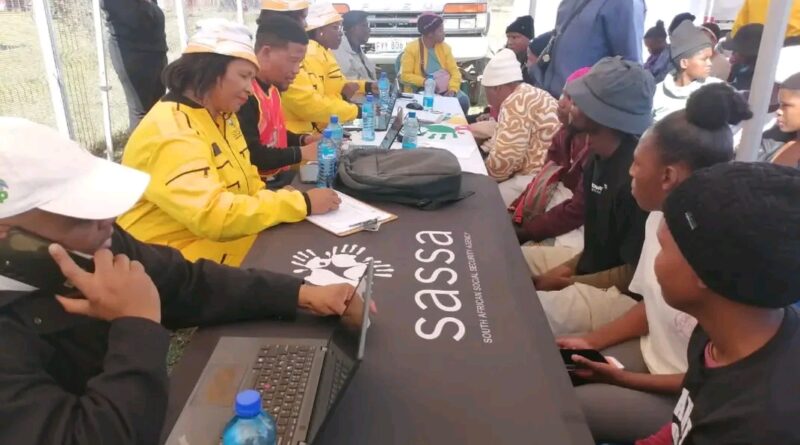
If you cannot find enough information from the online system to assist you, you will need to go to a local SASSA office. The staff at that office will provide you with reasons for any interruptions to your payments and may provide advice on how to remedy any problems.
Beneficiaries going to a SASSA office for help should take identification as well as any documents that may be related to the issue for which they are asking for assistance.
If you think the refusal or suspension of your grant was incorrect, you have a right to file an appeal. Providing evidence that supports your appeal and following all procedures will give you a better chance of success.
While appeals sometimes require time and resources because of the rights of parties affected, they offer one of the best forms of protection for beneficiaries and their rights.
Social media and instant messaging allow misinformation to circulate quickly. To avoid scammers, beneficiaries should only rely on official announcements for credible information regarding grants, eligibility and payment scheduling.
Knowing what benefits you will receive reduces your opportunity to be defrauded and helps you keep current about changes to your benefits.
In conclusion, the sudden stop of SASSA payments could present challenges for many South Africans reliant on financial support in order to survive on a daily basis. Although payment disruptions are often seen as unpredictable events, they are related to many of the same types of issues across all the different types of services, including verification of applications, settlements via banks, identification of applicants, income assessments, technological problems, or fraud prevention.
Communication issues continue to be of great concern to many people who are affected by these events. Most beneficiaries feel as if they were caught off guard due to the fact that they received very little or no communication about any of the issues that would cause the interruption of payment. Therefore, improving communication with beneficiaries, increasing transparency with them, and enhancing beneficiary support services would all substantially alleviate confusion and financial distress.
The best things for beneficiaries to do to help prevent having their payments interrupted are to regularly verify the status of their SASSA grants, update their personal information, respond to any verification requests in a timely manner, verify their banking information, and appeal any decisions made regarding the payment of their benefits whenever applicable. All of these pro-active activities by beneficiaries will greatly increase the chances that payment issues will be resolved and beneficiaries will get the assistance to which they are entitled.
